
Does Spironolactone Stop Hair Loss or Regrow Hair in Women?
Spironolactone is often prescribed for women’s hair loss. But does it regrow hair? Learn why evidence is mixed and why diagnosis-first care works best.
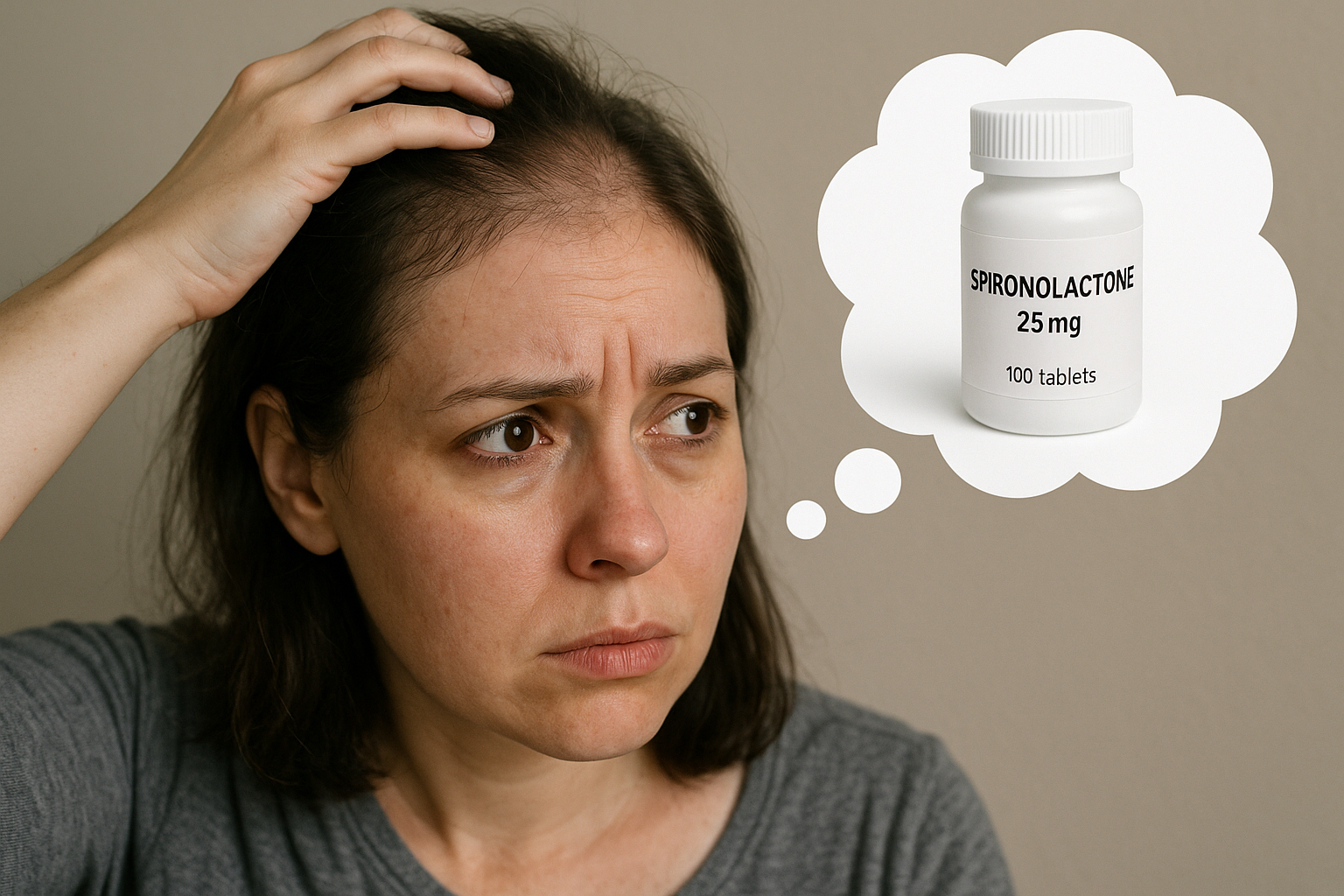
When women search for answers about thinning hair, one of the most common prescriptions they’ll hear about is spironolactone. Dermatologists often recommend it for female pattern hair loss because it can block androgen receptors. In theory, this reduces the impact of DHT (dihydrotestosterone), the hormone most linked to hair follicle miniaturization.
But the real question is: does spironolactone actually stop hair loss or regrow hair in women? The evidence—and the lived experience of many women—suggests the story is more complicated.
What the Research Says About Spironolactone
- Combination studies dominate
The most widely cited studies use spironolactone with low-dose oral minoxidil. Results showed reduced shedding and some density improvement, but because both drugs were used together, it’s unclear whether spironolactone made the difference or if minoxidil alone could have delivered the same outcome. - Spironolactone alone shows mixed results
Older, small case series suggest some women may notice slower shedding with spironolactone monotherapy. However, these studies were retrospective, relied on self-reporting, and did not use rigorous measurement tools. - Systematic reviews call the evidence “low quality”
When researchers pool all available data, they see a signal of benefit but conclude the evidence is inconsistent and not strong enough to say spironolactone reliably stops or reverses hair loss in women.
Bottom line: spironolactone may help some women with hair loss, but the success rate is far from guaranteed, and high-quality clinical trials are still lacking.
Why Spironolactone Alone Often Isn’t Enough
For women, hair loss rarely has just one cause. While DHT can play a major role, many women also face:
- Iron deficiency or low ferritin
- Thyroid imbalance
- Stress-related shedding (telogen effluvium)
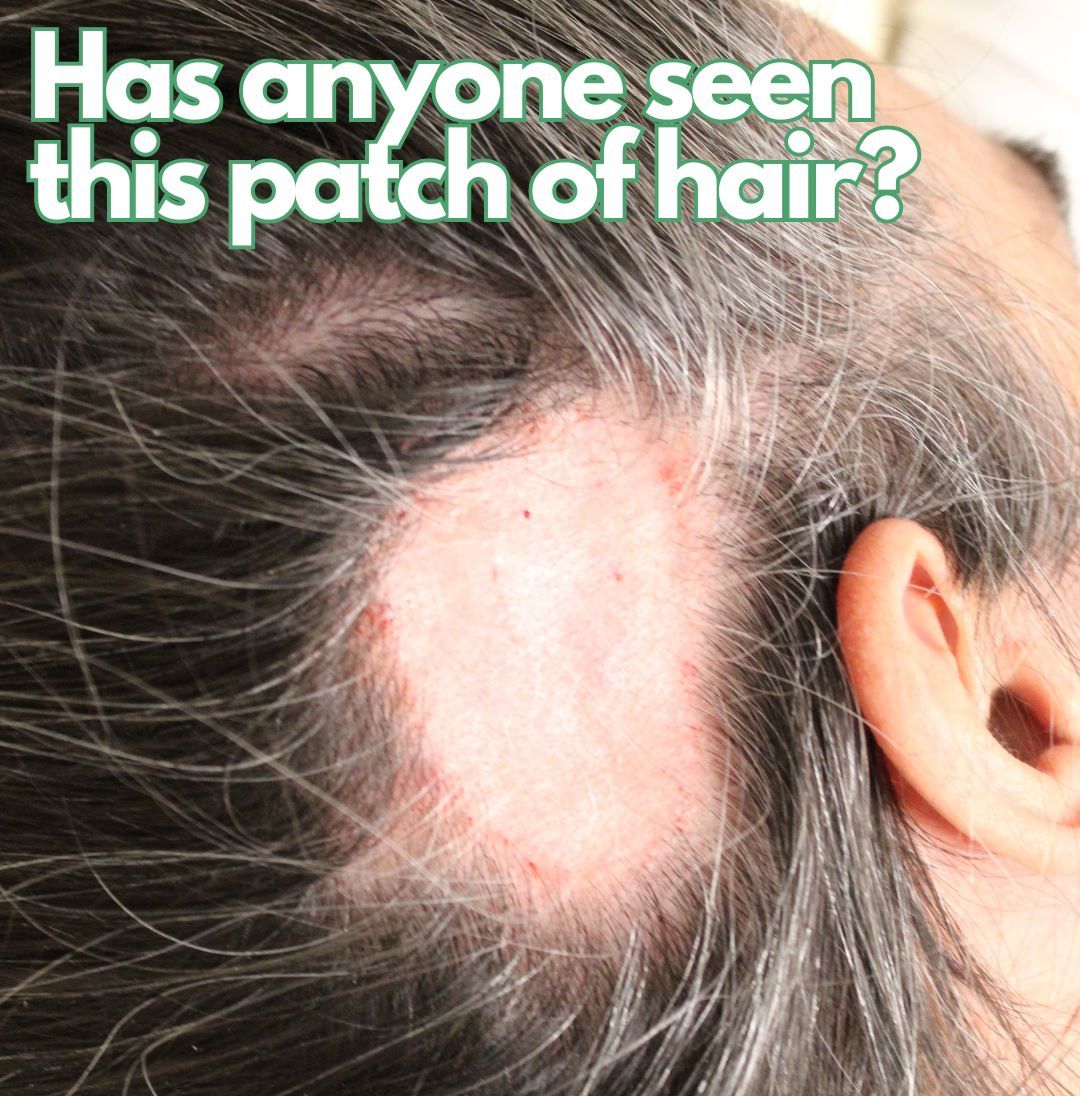
- Autoimmune flares such as alopecia areata
- Hormone changes across perimenopause and menopause
Prescribing spironolactone without first diagnosing these underlying issues can lead to frustration. Women may spend months waiting for results that never come—while follicles continue to miniaturize.
The Overlooked Truth: Many Women Do Have Androgenetic Alopecia
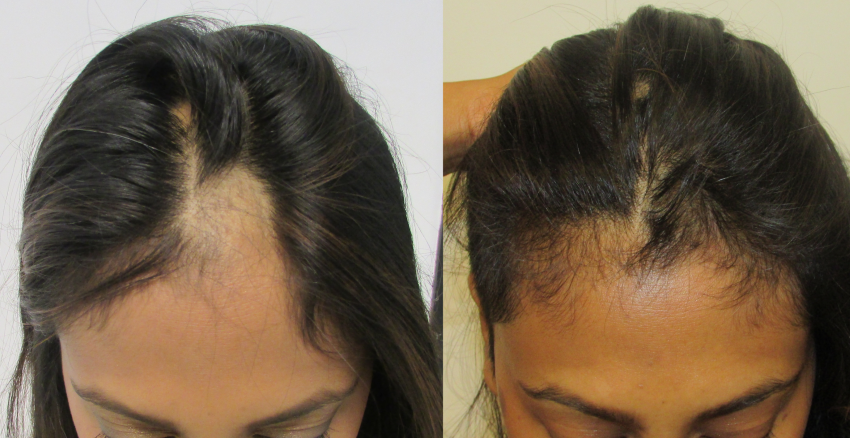
Because women usually present with diffuse thinning rather than receding hairlines or bald spots, true androgenetic alopecia (female pattern hair loss) is often underestimated. We regularly see women misdiagnosed as having only stress-related shedding when in fact androgenetic alopecia caused by underlying genetic enzyme defects is what is quietly driving their hair loss.
In these cases, spironolactone’s receptor-blocking action may not be powerful enough. If excess DHT production due to defective enzymes is the root problem, then directly repairing the defective enzymes and hormone rebalancing are usually required for real regrowth.
How the Stop and Regrow Approach Differs
At Stop and Regrow, we don’t start with a one-size-fits-all pill. We start with diagnostics:
- Lab testing for immune system, thyroid, and hormone balance
- Scalp imaging and follicle pattern review
- Lifestyle and stress analysis
From there, we create a tailored treatment plan designed to address the specific causes of each woman’s hair loss. For women with androgenetic alopecia, we focus on enzyme repair and hormone balancing rather than hoping spironolactone will be enough.
This matters because:
- Women often have multiple causes at once, requiring layered solutions.
- Many women have more genetics-driven loss than they realize, hidden under diffuse patterns.
- Progress must be
measured and adjusted—not guessed.
So, Does Spironolactone Stop Hair Loss or Regrow Hair?
- Sometimes, but not reliably.
- It may slow shedding in some women, especially when combined with minoxidil.
- It does not consistently regrow hair when used on its own.
- And without proper diagnostics, women risk wasting months on the wrong approach.
A Smarter Path Forward
If you’re a woman asking, “Does spironolactone stop hair loss or regrow hair?”—the most important step isn’t picking a drug. It’s finding out what’s truly driving your hair loss in the first place.
That’s why Stop and Regrow exists. By identifying the root causes and designing a personalized program, we give women the best chance to stop shedding, regrow real hair, and keep it for the long term.
👉 Next Step: If you’ve tried spironolactone or are considering it, but want a precise, evidence-based plan tailored to your causes of hair loss, book a free consultation to learn more today.
FAQs
Does Spironolactone stop hair loss in women?
Spironolactone has been shown to reduce shedding in some women, when combined with minoxidil, but it has not been proven to reliably stop or reverse hair loss.
Does Spironolactone regrow hair?
Evidence for regrowth from spironolactone alone is weak. Most positive studies use it in combination with minoxidil, making it unclear which drug drives results.
What are the alternatives to spironolactone for female hair loss?
The best alternative is first understand the real underlying cause of your hair loss via blood tests and then treat that. It could be stress, immune function, genetic enzyme defects, hormone balance, nutritional deficiencies, thyroid or others and treatment will and should be different.
Is female pattern hair loss underdiagnosed?
Yes. Women often present with diffuse thinning rather than bald spots, leading to misdiagnosis as stress-related shedding when androgenetic alopecia is present.
Has the rate of immune hair loss increased?
Yes. We have noticed since covid a significant increase in the rate of immune caused hair loss by over ten fold.
Recent Articles From Our Blog